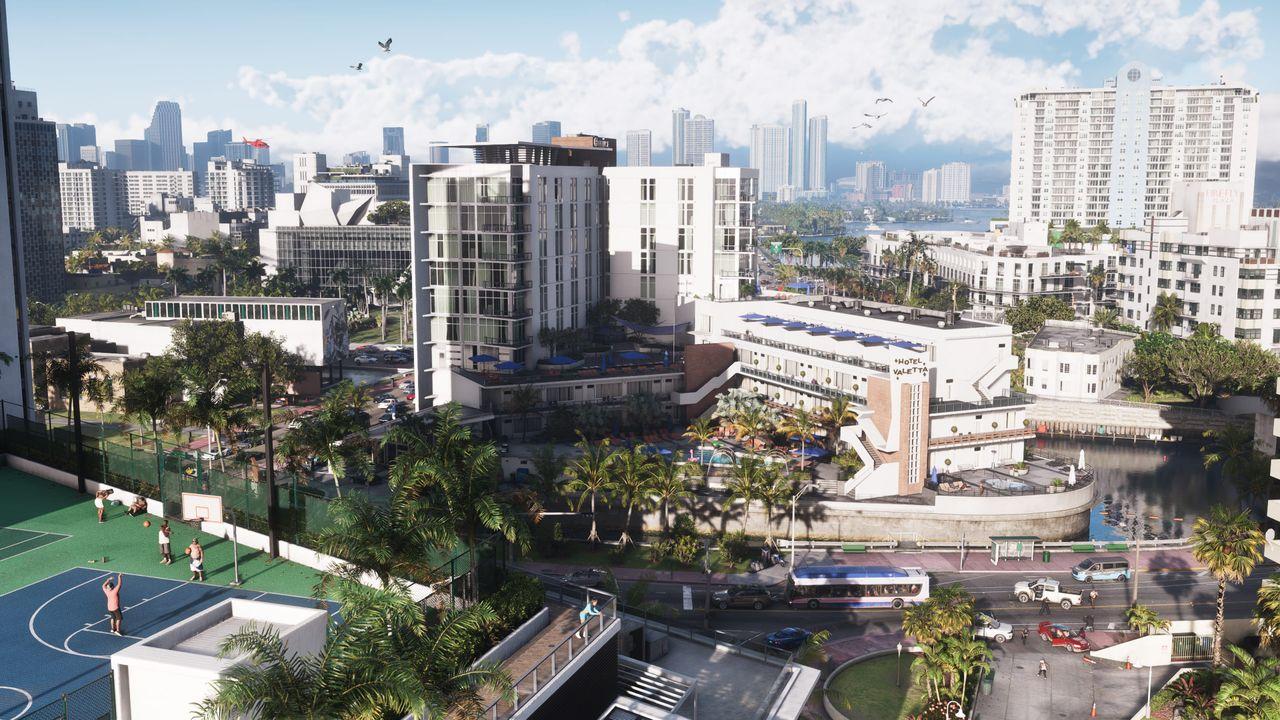
GTA 6 Car Theft Explained: WAINK, Trackers, Fences and Why You Can't Keep Every Car
The one-button hotwire is gone. Here is what Rockstar has said about locked cars, the WAINK scanner, trackers, fences and registration, which parts were actually shown on screen, and how to plan around it on day one.
For more than twenty years, stealing a car in Grand Theft Auto meant walking up to it and pressing one button. GTA 6 drops that. In press previews published on August 27 and 28, Rockstar North's Rob Nelson described a system where cars have different levels of security, some need tools you only get later, and a stolen car does not become yours just because you drove it away.
This guide pulls together what has been said about it, separates what was shown in the Extended Look footage from what was only described in interviews, and ends with a practical plan for the first hours. Nothing here comes from leaks. Where a detail rests on a single interview, we say so.
Where this information comes from
There are three kinds of source, and they are not equally strong.
The official footage. The 27-minute Extended Look that Rockstar released on August 27 shows one car-theft interface: a locked car with two prompts, Slim Jim and Smash Window. That is the only part of the system you can see with your own eyes so far. The WAINK app, the security tiers, the fences and the registration menu do not appear on screen.
Rob Nelson's interviews. Most of the detail comes from Nelson, Rockstar North's co-studio head, speaking to IGN, to the YouTube channel The Gaming Gorilla and to the Japanese magazine Famitsu. Kotaku, GamingBolt and HotCars all reported the same IGN quotes on August 27 and 28. These are statements from the developer, but they describe a hands-off demo, not a finished game anyone has played.
Second-hand summaries. Some details, especially about trackers that react to your speed, come from creator previews and fan transcripts where the speaker is not named. We mark those clearly below and do not treat them as settled.
The core change: layers of security
Nelson's explanation to IGN was direct. In earlier games, he said, "you could just press triangle to automatically hotwire and steal any vehicle that you wanted." In GTA 6, "we have put some layers of stratification into the vehicles."
In practice that means three things, all from Nelson's interviews:
Some parked cars are off-limits at the start. Nelson described "certain parked cars that are not accessible to you until you get a bit further along with the story." You need specific tools first.
Different cars need different tools. His example to IGN: "this car needs a key cloner. This other car will just need a Slim Jim." Older cars with simple locks open with a Slim Jim. Newer cars with electronic immobilisers need a key cloner. To The Gaming Gorilla he added that you can smash a window and get in, "but you can't start it without the key cloner."
Carjacking still works. GamingBolt quotes Nelson saying "you can always carjack any driver you see." Kotaku's summary of the same interviews adds the catch: the expensive car you pull someone out of at a red light may still carry a tracker that police can use to find you.
Nelson gave the reason in one line: "it gives all the vehicles more meaning, and you need to pay attention to what you're doing a bit more."
WAINK: the scanner on your phone
WAINK is an app on Jason and Lucia's in-game phone. Point it at a parked car and it reads the car before you touch it. Nelson's example from the IGN demo: "it tells me this car is locked, it's got an alarm, and has no tracker." The same scan shows what the car is worth at a Pay 'n' Spray or a specialty car fence, and how much it would cost to register it in your name.
That makes WAINK a planning tool rather than a gimmick. It answers the three questions that decide whether a theft is worth it: can I get in, will anyone come looking, and what is it worth afterwards. Reports differ on exactly when you unlock the app; GamingBolt says players get it "eventually", so do not assume you will have it in the first mission.
Trackers and the police
Several outlets, quoting the IGN preview, say high-end cars can carry GPS trackers that tell the police where the car is, even if nobody saw you take it. This ties into the Criminal Profile system we covered on October 2: a car that reports itself is a way for the police to find you without witnesses.
One further detail is less certain. Creator-preview transcripts, summarised by viced.gg and GTABase, say advanced trackers alert the police if you drive below a certain speed, so a fast driver stays hidden longer. No named Rockstar quote confirms this, and GTABase itself calls it something that "reportedly" happens. Treat it as likely but unconfirmed.
How you get rid of a tracker is clearer. In the Famitsu interview, as reported by Kotaku and by fan sites that translated it, Nelson said fences gain the ability to remove trackers as you progress. Early on, a car with a tracker is a car you probably cannot keep.
Fences, Pay 'n' Spray and selling
Stolen cars turn into money in two places named by Nelson: a Pay 'n' Spray and a specialty car fence. Fence work also appears to be how you unlock better theft equipment and services, which is why the system has a progression curve rather than a flat price list.
The Famitsu interview adds some specifics that are worth knowing but rest on that one interview and its translations. Pay 'n' Spray can show a stolen car's value, repair it, repaint it to shake off police attention, and register it. After selling a car at one Pay 'n' Spray, you have to wait before selling another there, but you can drive to a different one. Elaborate paint jobs need a proper tuning shop.
Two practical points follow from what is already on our site. The Extended Look previews reported that damaged stolen cars are worth less, so the drive to the buyer matters. And both edition garages announced so far, Shore Court in Ocean Beach (free with the Vintage Vice City Pack) and Paradise Garage in Watson Bay (Ultimate Edition), include a place to fence stolen goods.
Registration: why you can't keep every car
This is the biggest change for long-time players. A stolen car is not yours. According to Kotaku and the Famitsu interview, an unregistered stolen car is temporary and eventually disappears, including when you restart the game. Famitsu compared it to the temporary horses in Red Dead Redemption 2, and said these cars show as a grey icon on the radar.
To keep a car you have to register it, which costs money (WAINK shows the price) and needs a free garage space. The Famitsu report says you start with room for three personal vehicles and can buy more garages around the map. If every space is full, you sell a car before registering another.
This changes an older tip on this site. We used to say that parking a car in a garage or safehouse was enough to keep it. Based on these interviews, that only holds for registered cars, and we have updated that tip.
What is still unknown
How many security tiers there are. Nelson describes "layers" but no number has been given.
Whether smashing a window raises your wanted level or creates a witness by itself.
What tracker removal and registration cost, and how much a fence pays compared with a Pay 'n' Spray.
Whether motorbikes, boats and aircraft follow the same rules.
We will update this page when Rockstar or the launch itself answers these.
A day-one plan
Carjack for transport, not for profit. Early on you can always take a car from a driver. Use that to get around, and do not get attached to anything with a tracker.
Scan before you commit. Once you have WAINK, check every expensive car first. A locked car with no alarm and no tracker is a quiet job. A tracked car is a chase.
Save registration money for cars you will actually use. With three spaces at the start, register one car per job: something fast for escapes, something rugged for the countryside, and one you simply like.
Drive the car to the buyer carefully. Damage cuts the price, and a slow drive may wake up an advanced tracker, so drive steadily and avoid crashes rather than crawling.
Do fence work early. It is what unlocks tracker removal and better tools, and that is what turns car theft from a joyride into the steady income the previews describe.
Sources
Rockstar Games, GTA 6 Extended Look (August 27, 2026). Rob Nelson interviews with IGN and The Gaming Gorilla, as reported by Kotaku and GamingBolt (August 28, 2026) and HotCars (August 27, 2026). Famitsu interview with Rob Nelson, as summarised by Kotaku and iGrandTheftAuto (August 28, 2026). Footage-versus-interview breakdown by viced.gg (September 16, 2026). Unconfirmed tracker behaviour reported by GTABase (August 27, 2026).
More Guides
GTA 6 Radio Stations and Podcasts: What Rockstar Revealed on October 8
6 min read
GTA 6 in LOVE Magazine: Lucia Drives, Jason Reacts, and a Smaller American Dream
6 min read
GTA 6's Criminal Profile Explained: Professional to Psycho, and the State That Shatters
6 min read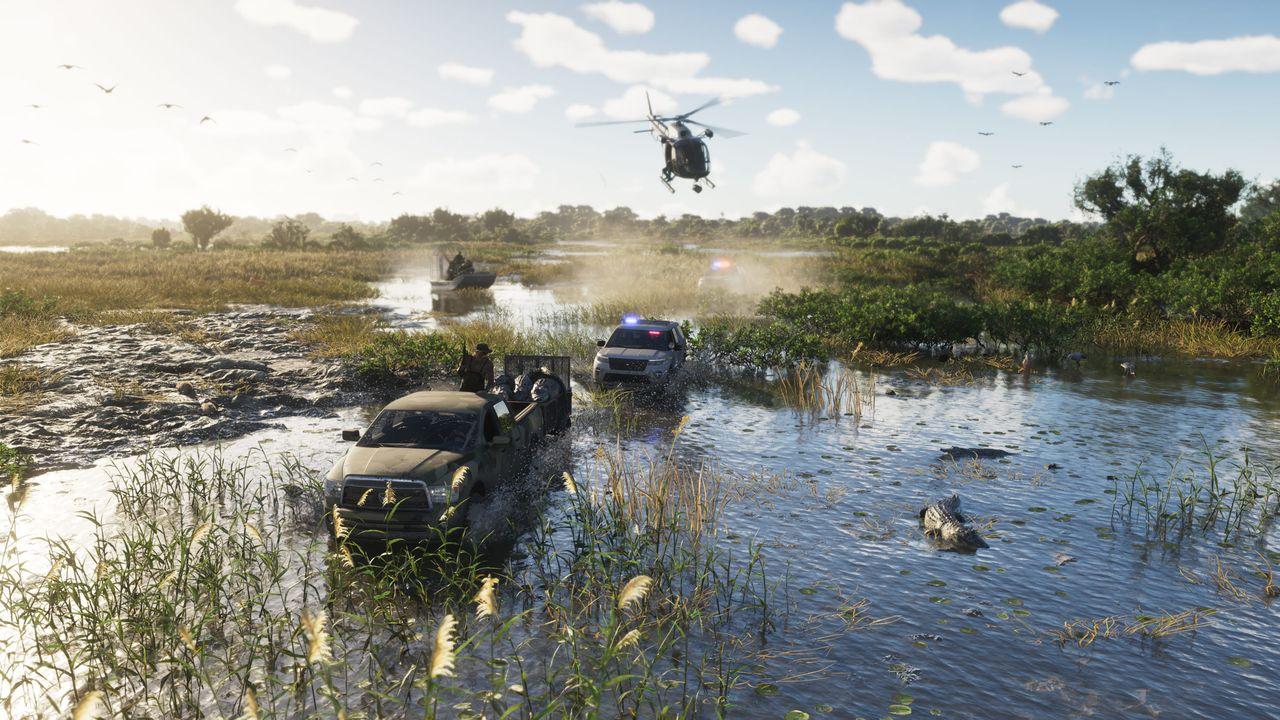
GTA 6's Game Informer Cover Story: Hurricanes, 170+ Animals and a Map Rockstar Now Measures Itself
7 min read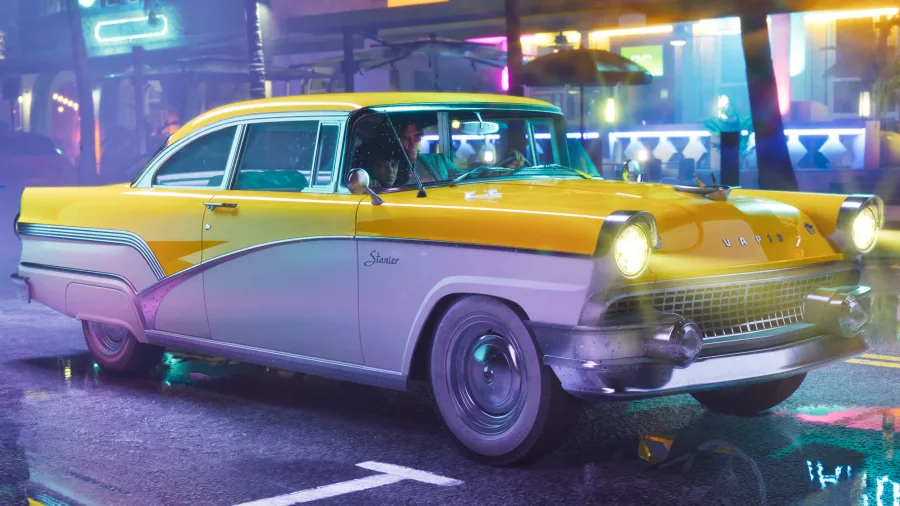
GTA 6 Launch Checklist: Storage, Preload, Download Times and the Scams to Avoid
7 min readGTA 6's Extended Look, Decoded: What 27 Minutes of Footage Actually Changes
10 min read
The GTA 6 Timeline: Every Official Milestone From 2022 to Launch Day
6 min read
The August 27 Extended Look: What Was Shown, and What Fans Made Up
7 min readGTA 6: Everything We Actually Know After the Extended Look (and What's Still a Rumor)
8 min read
The State of Leonida: A Region-by-Region Guide to the GTA 6 Map
8 min read
GTA 6 Editions Explained: Standard vs. Ultimate, Every Item, and Two Pre-Order Traps
8 min readGTA 6's Story So Far: How the Cast Connects, and What the Extended Look Adds
7 min read